
What is ReceptivaDx?
ReceptivaDx is the only test that can identify endometriosis, progesterone resistance, and endometritis in a single sample.
If the test results are positive, it indicates a high level of BCL6, identifying the presence of uterine lining inflammation, most often associated with endometriosis.
If the test results are negative, it suggests a high likelihood that no inflammation is present.
How it works
ReceptivaDx includes BCL6, a marker that identifies uterine inflammation most often associated with endometriosis, often asymptomatic (known as “silent” endometriosis).
For the Fertility Patient Undergoing IVF
BCL6 is found in more than 50% of women with unexplained infertility and 65% of women with two or more IVF failures. The ability to identify progesterone resistance via the BCL6 marker has been previously linked in published data to both implantation failure and recurrent pregnancy loss. Progesterone resistance is a condition that causes unfavorable changes on the uterine lining blocking the important hormone progesterone from carrying out its vital role in preparing the lining for embryo survival. ReceptivaDx can also be used to identify endometritis (chronic bacterial infection of the uterine lining) via the addition of our CD138 marker.
Women who test positive for BCL6 and are left untreated are 5 times less likely to succeed in IVF than women who test negative. If endometriosis goes untreated, issues with fertility are likely to persist, even throughout IVF treatment.
For the Pain Patient
In simple terms, BCL6 is a very reliable marker for endometriosis. Here’s how. BCL6 is an inflammatory marker. Endometriosis is an inflammatory chronic condition fueled by estrogen. In women without endometriosis or other inflammatory conditions, BCL6 should not be present. We test during the secretory (aka luteal) phase of the menstrual cycle (days 15-28) because during this phase, the largest differential between normal vs endometriosis appears, giving us great diagnostic accuracy.
A positive or negative test allows you and your physician to narrow down potential courses of action, increasing your chances of a successful live birth or detection of endometriosis. Women going through IVF who test positive for BCL6 and are left untreated are 5 times less likely to succeed in IVF than women who test negative.
When to use ReceptivaDx
In IVF centers, recommendations on when to use our test clinically, center around proven transfer failure histories even with genetically tested embryos (PGTA), recurrent pregnancy losses (2 or more miscarriages), women with limited embryo reserves or limited financial means to cover multiple IVF cycles.
Outside of IVF, specifically for patients wanting clarity on potential endometriosis, the test is recommended for patients experiencing symptoms of endometriosis such as recurrent pregnancy loss, pelvic pain, or history of endometriosis. When used in conjunction with other clinical tools such as imaging and blood work up, and a clinician that is receptive to your symptoms, ReceptivaDx can quickly guide decision making.
ReceptivaDxTM testing is suggested for the following:

Women with unexplained infertility
Women with a history of implantation failure
Women with recurrent pregnancy loss
Women with limited embryo reserves
Women with limited fertility coverage
Women with history of endometriosis
Women with pelvic pain
Next steps after a ReceptivaDxTM result
If you have experienced infertility or pelvic pain, ReceptivaDx™ test results can give you clarity on developing an action plan along with your clinician
If endometriosis goes untreated, issues with fertility are likely to persist, even throughout IVF treatment.
If positive, there are two courses of action that have proven effective in thousands of IVF patients:
A negative BCL6 test result provides the reassurance that endometriosis is not a current concern and that future attempts at pregnancy are more likely to be successful.
If positive and not currently doing IVF, there are several courses of action depending on the patient’s objectives:
A negative BCL6 test result provides the reassurance that endometriosis is not likely the issue. If on a fertility journey, identifying other causes of your pain is recommended and natural conception probability is not reduced by the presence of endometriosis.
Success Stories from Patients

“Our journey to our miracle baby has been one filled with heartache, frustration and many tears. However, through perseverance and a lot of hope, faith and the ReceptivaDx test, I am so happy to report that we finally had our beautiful blessing on 11-11-20. I consider the ReceptivaDX biopsy to be my miracle test, the test that allowed my baby girl to make it into my arms.”

“After my failed transfer with our first donated embryo I felt lost and broken. The PA at my office suggested that I research ReceptivaDx, she said it was new but could give me some answers, so I did. A few months later I had a 2nd transfer with our remaining donated embryo, and it worked! He is now a perfect, healthy 9 month old boy! Do yourself a favor, get this test! I had no symptoms, 1.5 years of infertility treatments and who knows if my journey would have been much shorter or a different outcome if I would have a had this test from the beginning!”

“We were losing all hope until we did the ReceptivaDx test. After we did it, we finally had an answer and a way forward. What I wouldn’t give to have been able to do it sooner.”

“We feel that the discovery from the ReceptivaDx test and the change in our protocol was what gave us the biggest gift in our lives, our sweet baby girl. We didn’t know what the future would hold for us for future children but to our surprise we got pregnant naturally with the first cycle after our first was born. These two baby girls are the absolute light of our lives and we hope that this test helps more families like ours.”
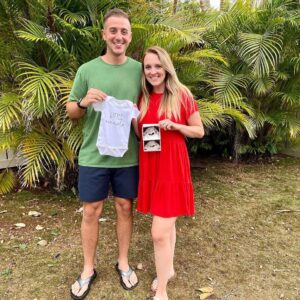
“After almost 3 years of unexplained infertility, 4 failed medicated IUI’s, and 3 failed embryo transfers, we felt completely defeated, hopeless, and unsure of our next steps. It’s an absolute miracle and I’m endlessly grateful for the ReceptivaDx test and the research that is currently being done to investigate the link between unexplained infertility and silent endometriosis.”
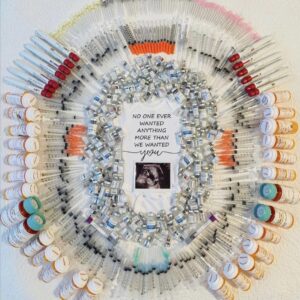
“After two egg retrievals and two failed transfers (with the loss of three embryos) my husband and I were in the depths of desperation and despair. It wasn’t until we switched clinics that we discovered Receptiva testing. The biopsy itself was quick and results were sent to my clinic in less than a week! We finally had an answer for our struggles and a clear path forward! I now have a sweet, silly, adorable ten-month-old thanks to the pioneering efforts of the team behind ReceptivaDx”
Frequently Asked Questions
Get Started
Get started and get answers. Find a center near you with our locator map. Questions? Call us for a free phone consultation. We’re here to help.