
Pelvic pain, infertility, and unexplained reproductive symptoms often leave patients searching for answers while clinicians work through a complex web of potential causes. Many gynecologic conditions share overlapping symptoms, making early identification challenging without a clear clinical strategy. Establishing a structured Gyn Diagnostic approach helps providers move from symptom recognition to targeted evaluation more efficiently. By following a roadmap, gynecologists can improve diagnostic accuracy, reduce care delays, and better support patients who might otherwise spend years seeking answers.
Recognizing Patterns in Patient Symptoms
The first step in any effective Gyn Diagnostic pathway is recognizing patterns within patient-reported symptoms. Individuals presenting with chronic pelvic pain, severe dysmenorrhea, unexplained infertility, painful intercourse, or gastrointestinal discomfort during menstruation may be experiencing underlying conditions that warrant further evaluation.
These symptoms are frequently minimized by patients who have been told that painful periods are normal. However, when discomfort consistently interferes with work, relationships, or daily functioning, further investigation becomes critical.
Gathering a Comprehensive Patient History
A detailed patient history provides essential clues when identifying potential reproductive conditions. Clinicians should explore the timing, severity, and progression of symptoms along with menstrual patterns and fertility concerns.
Family history may also reveal genetic predispositions to certain gynecologic disorders. When combined with symptom tracking, these details help providers build a clearer clinical picture and guide the next stage of evaluation.
Listening carefully to patient experiences is often one of the most valuable diagnostic tools available.
Strategic Use of Diagnostic Tools
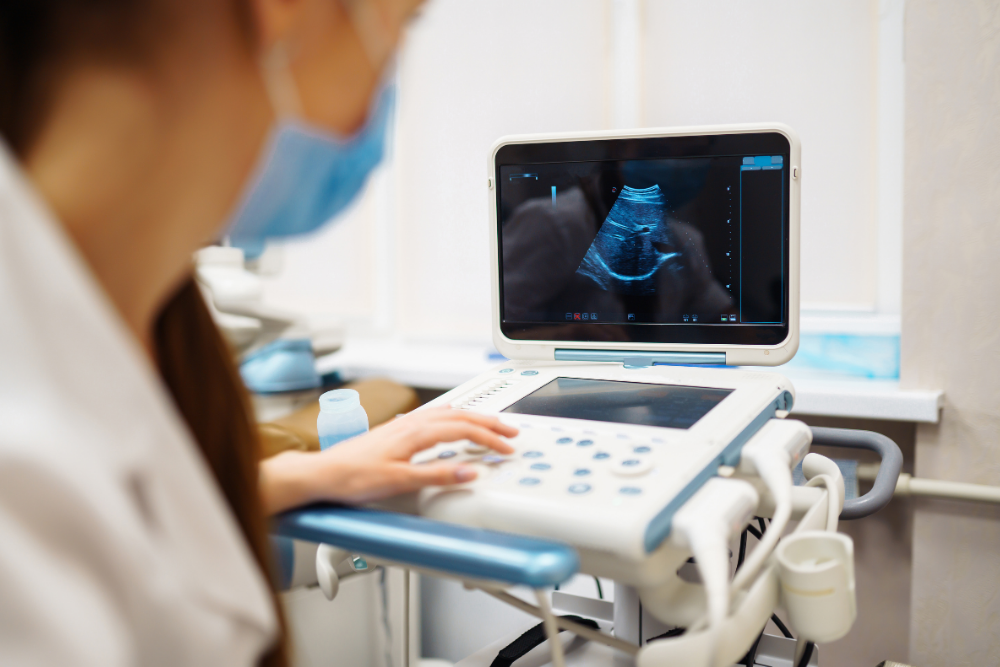
Once symptoms have been identified, the next stage in the Gyn Diagnostic process is to select the appropriate diagnostic tools. Ultrasound and MRI are commonly used imaging modalities that help identify structural abnormalities such as fibroids, ovarian cysts, and other anatomical irregularities.
While imaging offers valuable insight, it may not always detect inflammatory conditions or microscopic disease processes.
Integrating Laboratory Insights
Laboratory testing can add another layer of diagnostic clarity. Biomarker analysis and specialized assays can help identify inflammatory activity or other indicators linked to reproductive disorders. Integrating laboratory results with imaging and patient symptoms allows clinicians to form a more comprehensive evaluation rather than relying on a single diagnostic method.
When Surgical Evaluation Is Appropriate
Diagnostic laparoscopy has traditionally served as a definitive diagnostic tool for certain gynecologic conditions. However, because it is invasive, it is often most appropriate after other evaluation methods have been explored. Using a stepwise diagnostic framework allows providers to narrow possible causes before considering surgical intervention.
Reducing Diagnostic Delays in Gynecology
Many reproductive health conditions remain underdiagnosed for years. Some patients may wait seven to ten years before receiving an accurate diagnosis for conditions such as endometriosis. Implementing a proactive Gyn Diagnostic strategy can significantly reduce this delay. When persistent symptoms are investigated earlier, clinicians can shorten the time from symptom onset to diagnosis.
Increasing Awareness Among Patients and Providers
Education plays a vital role in improving diagnostic outcomes. Many patients are unaware that severe menstrual pain, chronic fatigue, or fertility struggles may indicate underlying pathology. Healthcare providers who recognize these patterns early can initiate further evaluation before symptoms escalate.
Encouraging Collaborative Care
Collaboration among specialists can also improve diagnostic accuracy. Reproductive endocrinologists, fertility specialists, and minimally invasive gynecologic surgeons each bring unique expertise to complex cases. When providers work together, they can evaluate symptoms from multiple perspectives and identify potential causes that might otherwise be overlooked.
Contact ReceptivaDx to Strengthen Your Diagnostic Approach
A thoughtful Gyn Diagnostic framework helps clinicians evaluate reproductive symptoms more effectively while reducing the delays that often prevent patients from receiving timely answers. Combining patient history, imaging, and targeted testing allows providers to identify underlying conditions with greater clarity. Advanced diagnostic tools can provide additional insight when symptoms suggest inflammation or endometriosis-related pathology. Contact ReceptivaDx today to learn how their diagnostic resources can support more confident clinical decision-making and improved patient outcomes.